Island atlas · Landscapes & species
Siargao
1 species records name Siargao. Explore their natural history, taxonomic history and distribution sources.
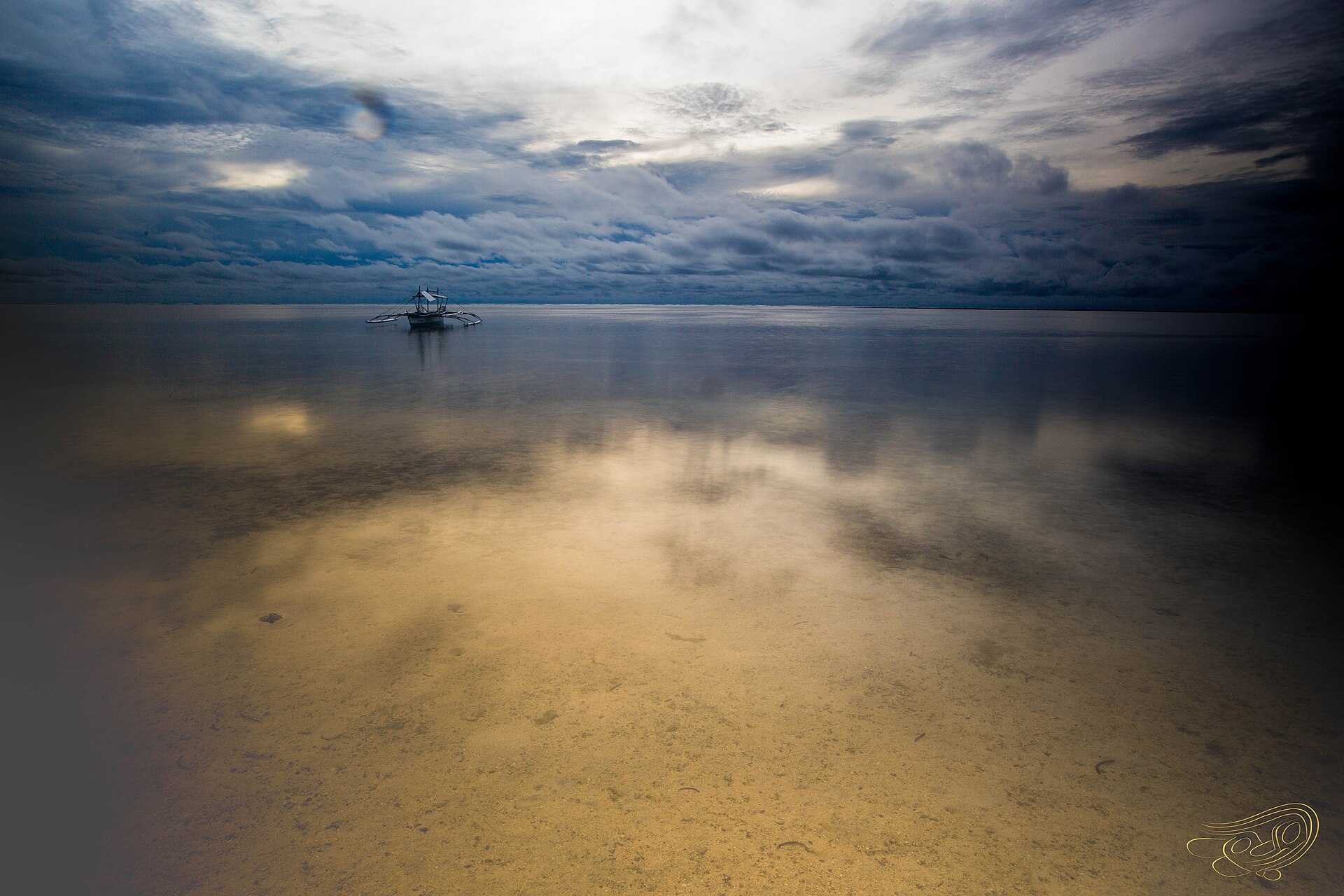
Shallow coastal water and the reef-facing shoreline of Siargao.
Photo: Moutaz Kotrob · Original photograph · CC BY-SA 4.0. Displayed to fit the frame.
Beyond the species list
A sense of place.
Siargao is an island in the Philippine Sea within Surigao del Norte province. Reefs, small coastal points and sandy shores shape much of its outline. Its open eastern coast is particularly associated with ocean surf.
Landscape & habitats
The reef-facing shore in the photograph is only one part of the island’s wetland and coastal landscape. The Del Carmen Mangrove Reserve provides another important setting, with extensive mangrove habitat within the Siargao protected landscape and seascape.
Geographic sources
Geographic overview checked 7 October 2026. The photograph illustrates a landscape, not a snake observation.
Islands, barriers & evolution
Zoogeography
Greater Mindanao’s northeastern coastal margin
Siargao sits on the northeastern margin of the Greater Mindanao historical island complex. Reconstructed low-sea-level connections offer a regional explanation for affinities with nearby Mindanao and Dinagat.
Its present coastal setting is only one part of that history. Island records still require precise locality evidence, and the national herpetological review notes that missing publications can reflect unpublished work rather than an absence of research or animals. Regional affinity and catalogue completeness are separate questions.
How to read the historical island groups
During Pleistocene glacial periods, lower sea levels exposed shallow seabeds and joined some present-day islands. Biogeographers call these reconstructed landmasses Pleistocene Aggregate Island Complexes (PAICs). Deep channels continued to separate others. This model helps explain regional similarities, but dispersal, older geology and habitat differences also shaped each fauna.
“Endemic” means restricted to a stated area; a Philippine endemic need not be confined to one island. The account above summarises published regional and local research. It does not add occurrences to the snake index below.
Regional framework: Meneses et al. (2024) ↗Zoogeographic sources · 2
- Meneses et al. (2024) · Philippine herpetology, 20 years on ↗Regional framework, Fig. 1; isolation and research gaps. Open-access review, CC0.
- Sanguila et al. (2016) · Northeast Mindanao and adjacent islands ↗Greater Mindanao connections, regional differences, and records from Dinagat and Siargao.
Literature checked 7 October 2026. Survey results refer to the dates and areas studied.
Source-backed index
1 species
These are explicit source mentions, not a complete island richness estimate. Fine localities and habitat associations remain separate evidence claims.
A source naming Siargao does not establish occurrence in every municipality, protected area, or habitat on the island.