Habitats of Indonesia
Coasts, seagrass & reefs
Explore the marine side of the archipelago.
Understanding the environment
A sense of the habitat.
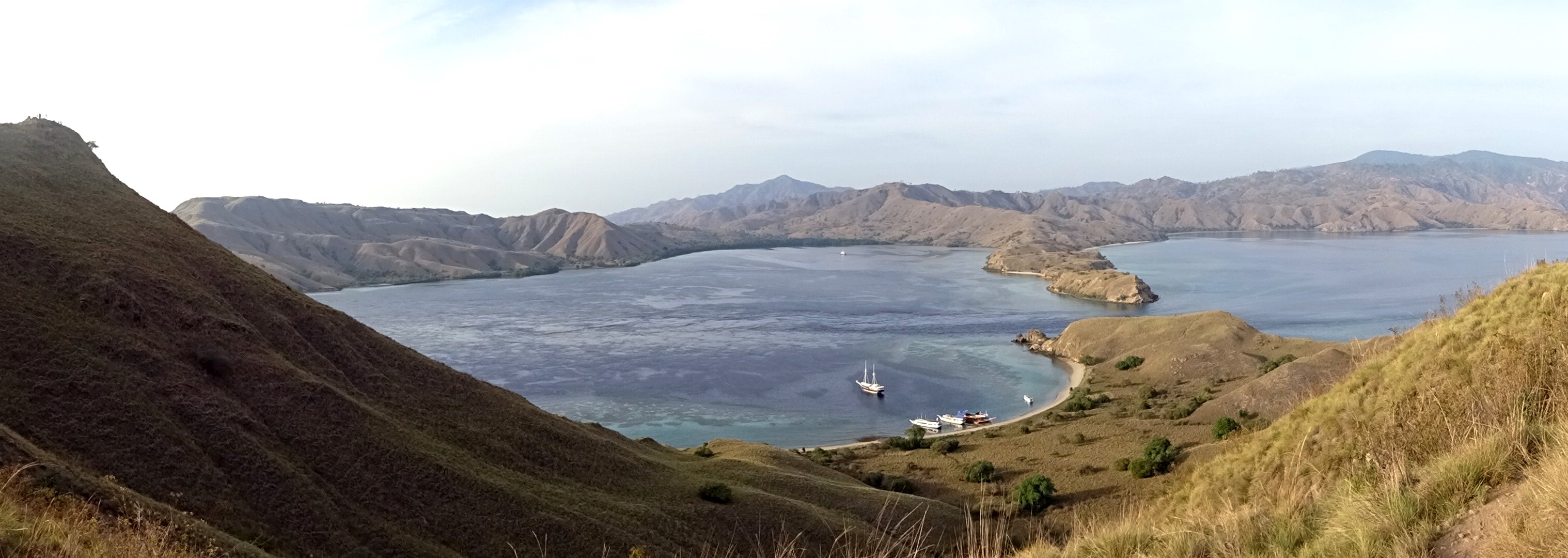
Habitat continues beyond an island’s shoreline. Wakatobi includes coral reefs, seagrass and mangroves; Komodo provides another land–sea landscape. The photograph shows the coast at Gili Lawa, not an underwater reef.
Explore the structure · Explore the environmental contrasts
Read the habitat
Select a zone to see what changes.
The land–sea boundary
Shore
The shoreline connects terrestrial and marine environments. Beaches, rocky margins and tidal vegetation create different transitions between an island and its surrounding water.
The Gili Lawa photograph shows this land–sea setting from above.
Conceptual habitat structure, not a measured transect or a species range.
Indonesian examples.
The atlas retains country-level sea-snake records when their sources do not support an island assignment. The existence of reefs at Wakatobi is not evidence that every Indonesian sea snake occurs in that reserve.
Conservation context
What matters here?
Coastal development and pollution may affect connected marine habitats. Habitat condition, fishing impacts and individual snake observations remain separate claims that require their own evidence.
Sources: UNESCO MAB — Wakatobi · UNESCO IOC — Blue carbon · UNESCO — Komodo National Park ·
From habitat to geographic evidence
Explore places & occurrence records.
These links lead to regional collections. A species in a regional list is not automatically confirmed in this habitat or in a named national park.
Sulawesi
A central island group in the Wallacean transition.
Map, named islands & species →Lesser Sundas
Seasonal island landscapes between Lombok and Timor.
Map, named islands & species →Checked 7 October 2026
Evidence & sources.
- UNESCO MAB — Wakatobi
Reef, seagrass and mangrove ecosystems in southeastern Sulawesi.
- UNESCO IOC — Blue carbon
General coastal pressures; not local snake distribution.
- UNESCO — Komodo National Park
Dry vegetation and coastal ecosystems; not species-level habitat evidence.
Explore another habitat.
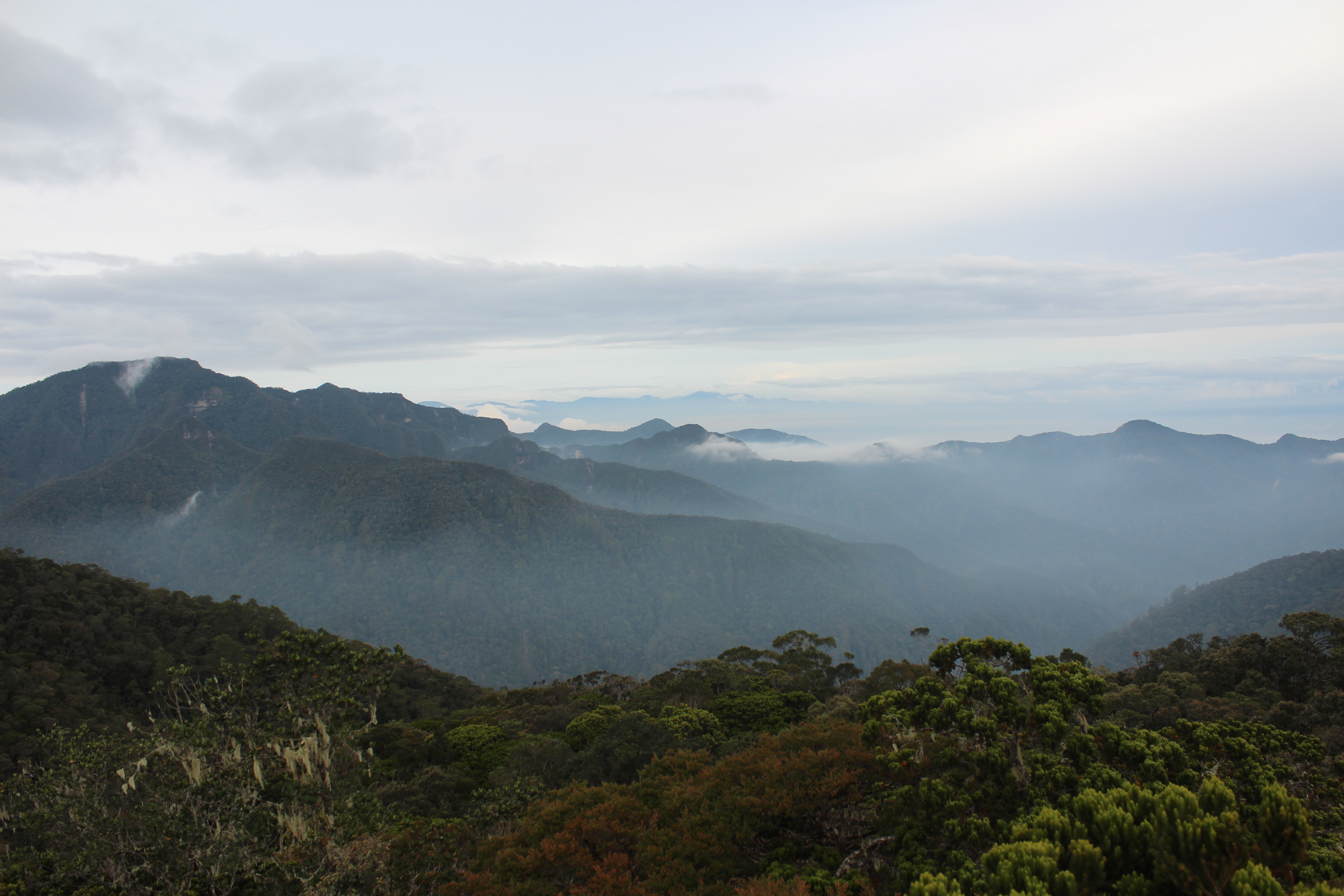
Rainforest layers
Follow a forest from its crowns to the living ground.
Explore the habitat ↗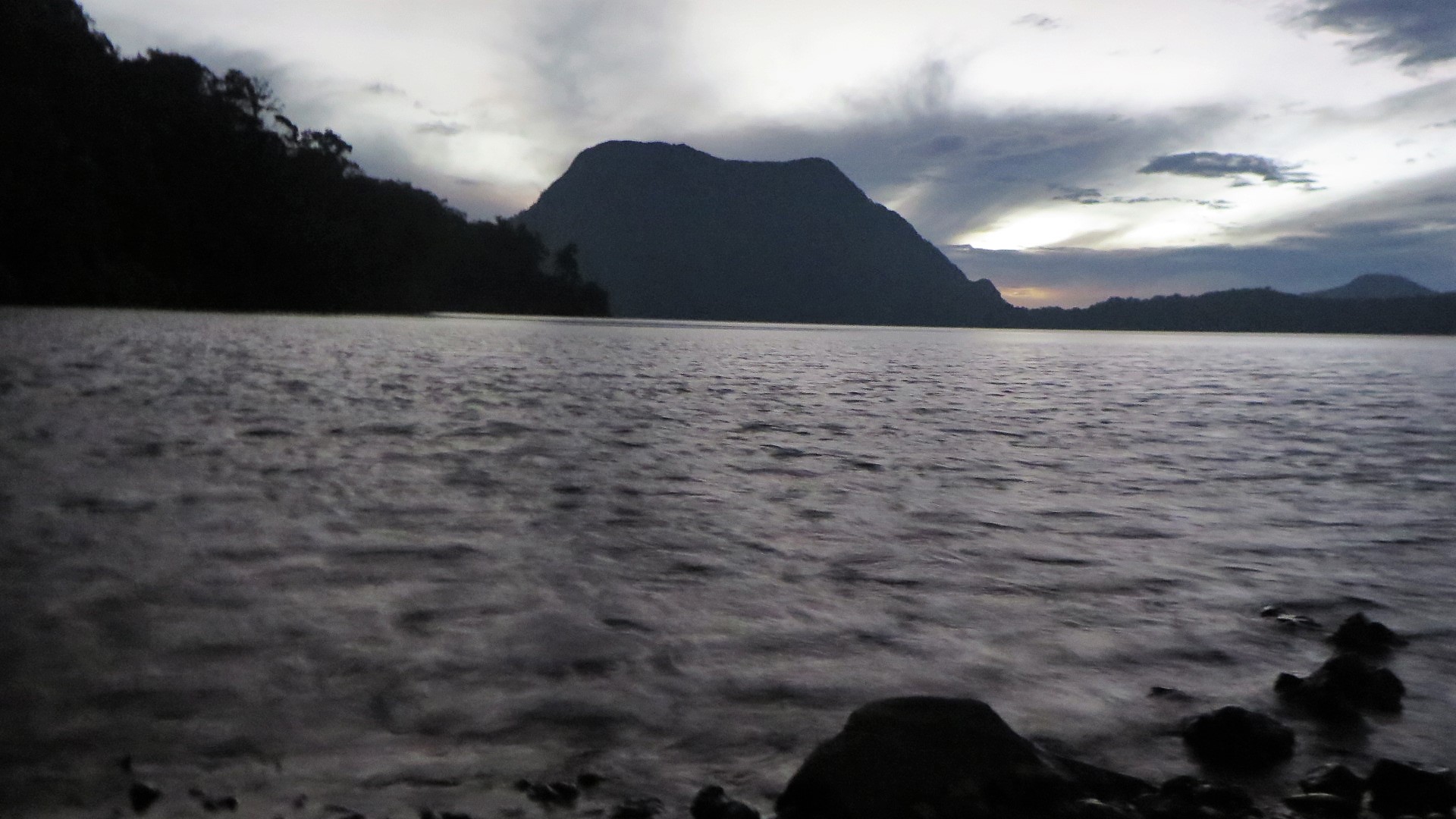
Montane forest
Forested ridges, mountain lakes and changes along a slope.
Explore the habitat ↗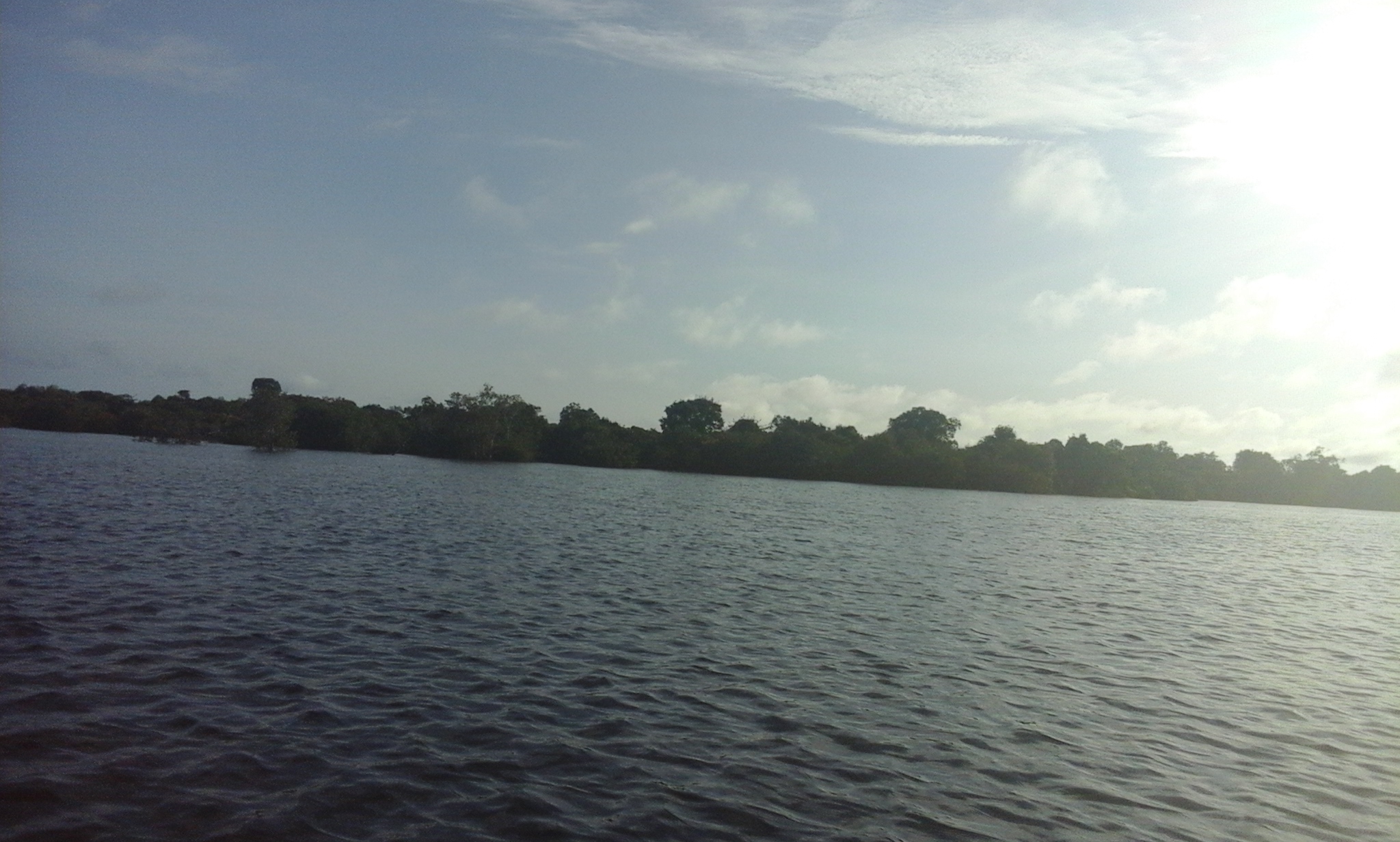
Freshwater & peat swamps
Read lakes, floodplains and waterlogged forest separately.
Explore the habitat ↗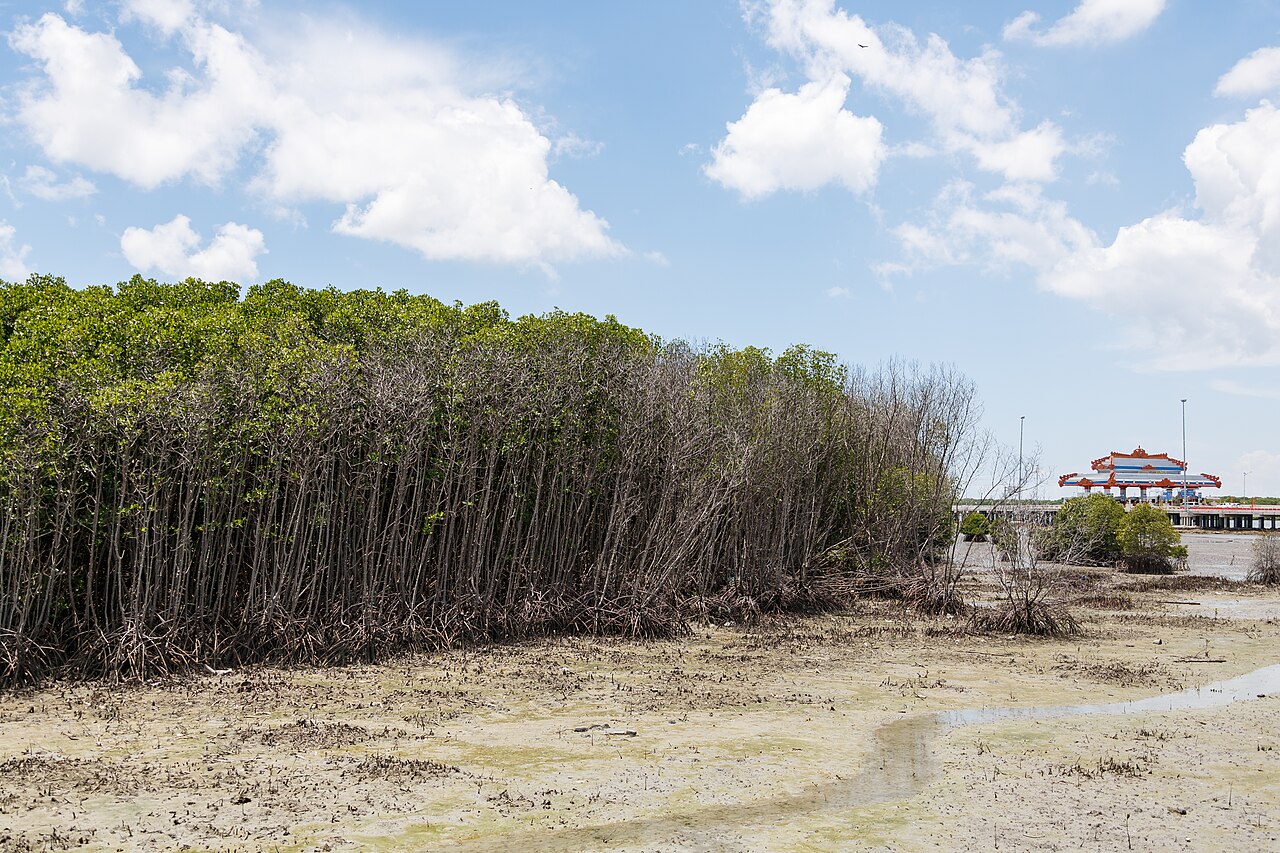
Mangroves & estuaries
The wooded, tidal boundary between land and sea.
Explore the habitat ↗Seasonal forest & savanna
Open hills, wooded patches and seasonal contrasts.
Explore the habitat ↗