Habitats of Indonesia
Mangroves & estuaries
The wooded, tidal boundary between land and sea.
Understanding the environment
A sense of the habitat.
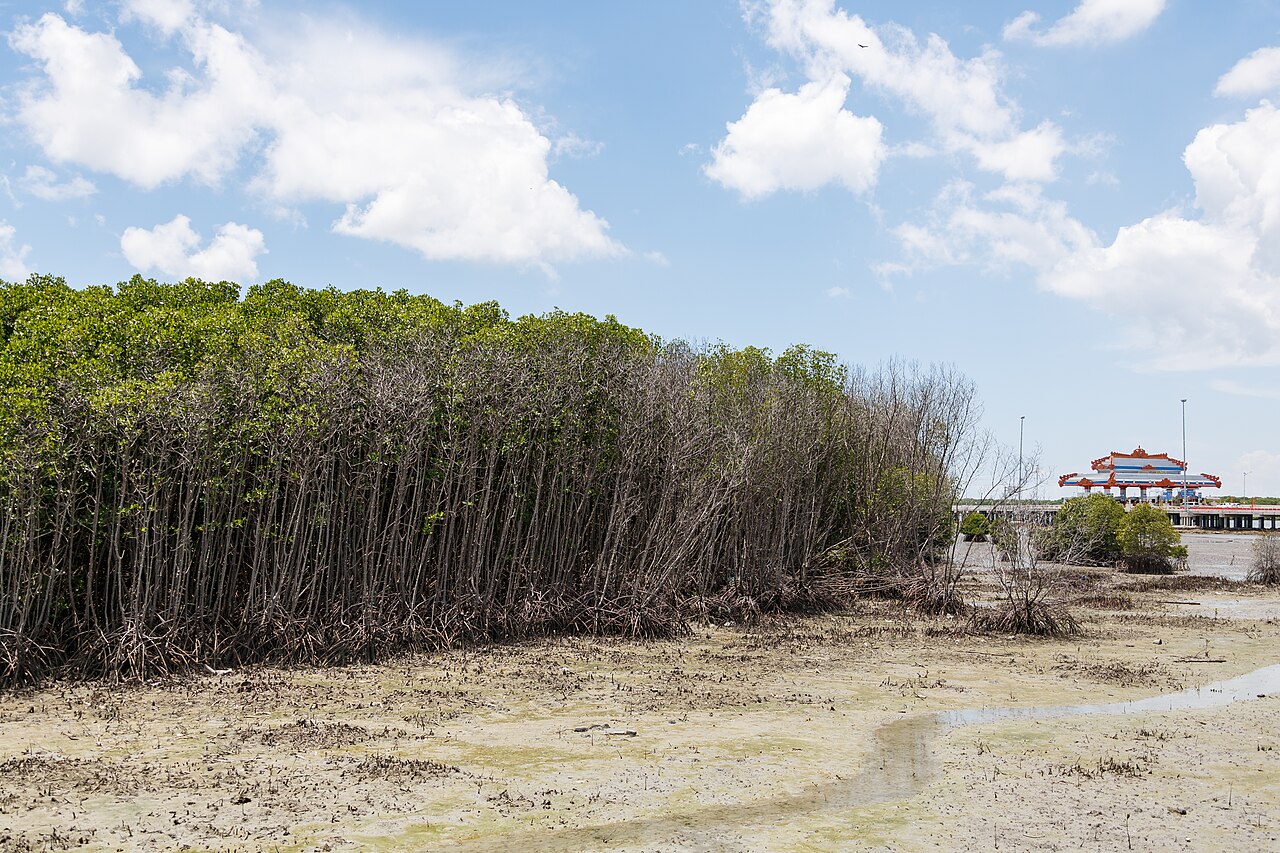
Mangroves occupy a coastal setting shaped by tidal water. They are different from inland freshwater-swamp forest. Benoa in Bali provides the photographed example; Wakatobi’s UNESCO account documents mangroves within a broader marine mosaic.
Explore the structure · Explore the environmental contrasts
Read the habitat
Select a zone to see what changes.
A coastal transition
Landward edge
The inland side of a mangrove system meets higher ground and other vegetation. Tidal reach, freshwater input and the shape of the shoreline influence this transition.
Mangrove boundaries vary locally; the wooded coastline is a mosaic.
Conceptual habitat structure, not a measured transect or a species range.
Indonesian examples.
Wakatobi includes mangroves, seagrass and coral reefs. They are connected but distinct ecosystems. The Benoa photograph is a Balinese example and should not be read as an image of Wakatobi.
Conservation context
What matters here?
UNESCO IOC identifies coastal development, pollution, agriculture and aquaculture among pressures on blue-carbon ecosystems. These broad pressures do not establish the present condition of an individual mangrove site.
From habitat to geographic evidence
Explore places & occurrence records.
These links lead to regional collections. A species in a regional list is not automatically confirmed in this habitat or in a named national park.
Java & Bali
Lowland forest remnants and island-specific snake records.
Map, named islands & species →Sulawesi
A central island group in the Wallacean transition.
Map, named islands & species →Papua
From southern lowlands toward the central mountains.
Map, named islands & species →Checked 7 October 2026
Evidence & sources.
- UNESCO MAB — Wakatobi
Reef, seagrass and mangrove ecosystems in southeastern Sulawesi.
- UNESCO IOC — Blue carbon
General coastal pressures; not local snake distribution.
Explore another habitat.
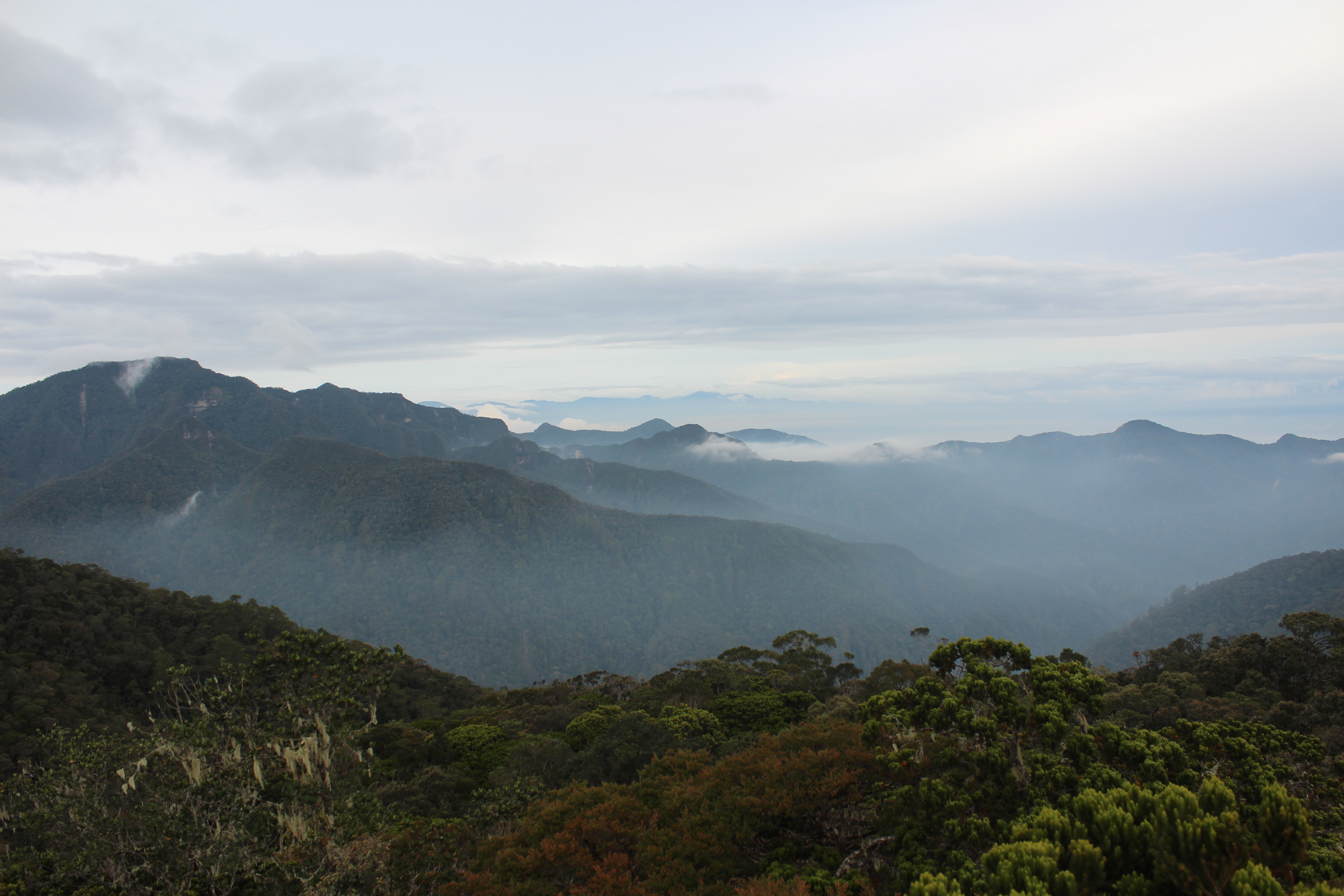
Rainforest layers
Follow a forest from its crowns to the living ground.
Explore the habitat ↗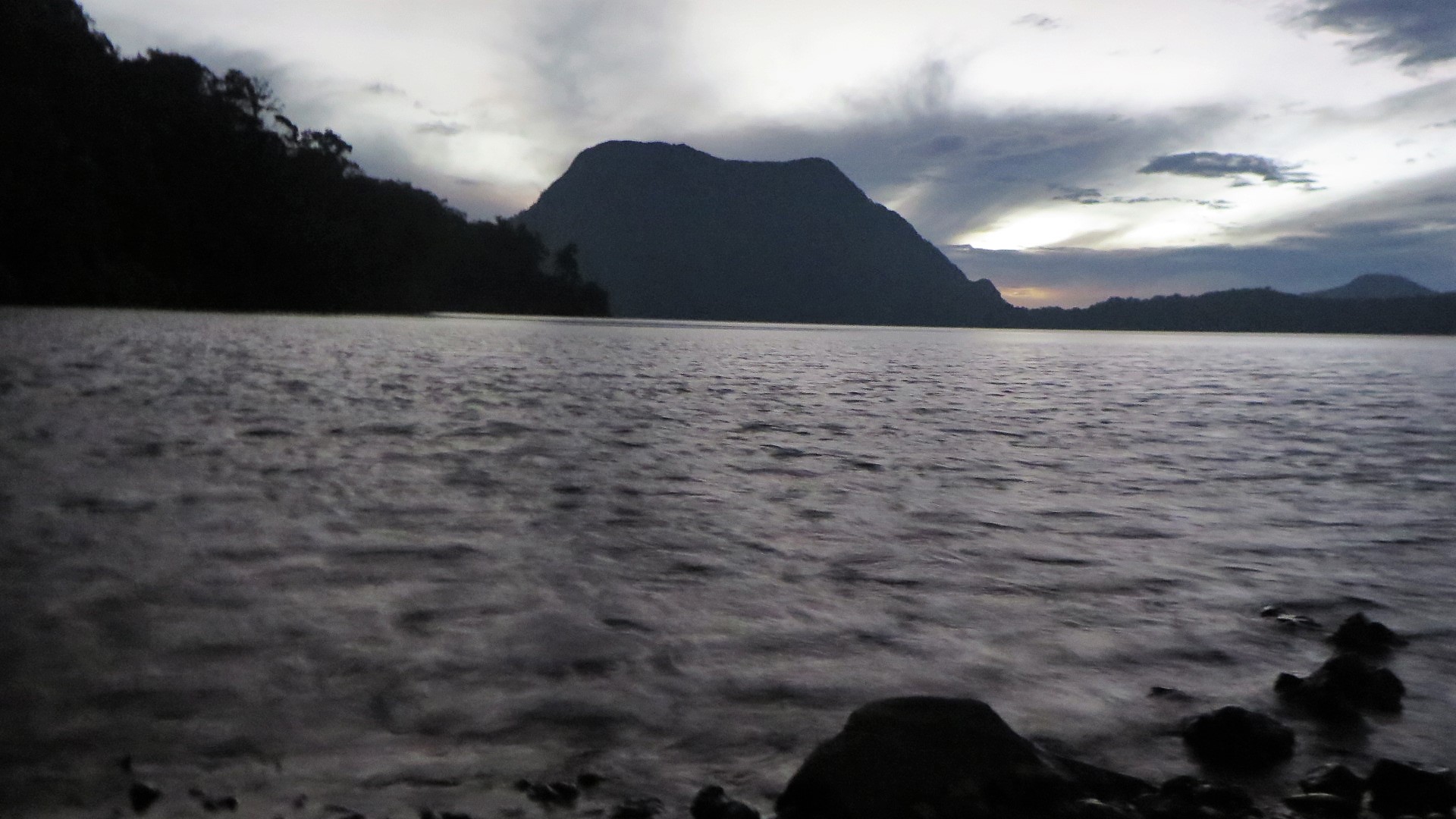
Montane forest
Forested ridges, mountain lakes and changes along a slope.
Explore the habitat ↗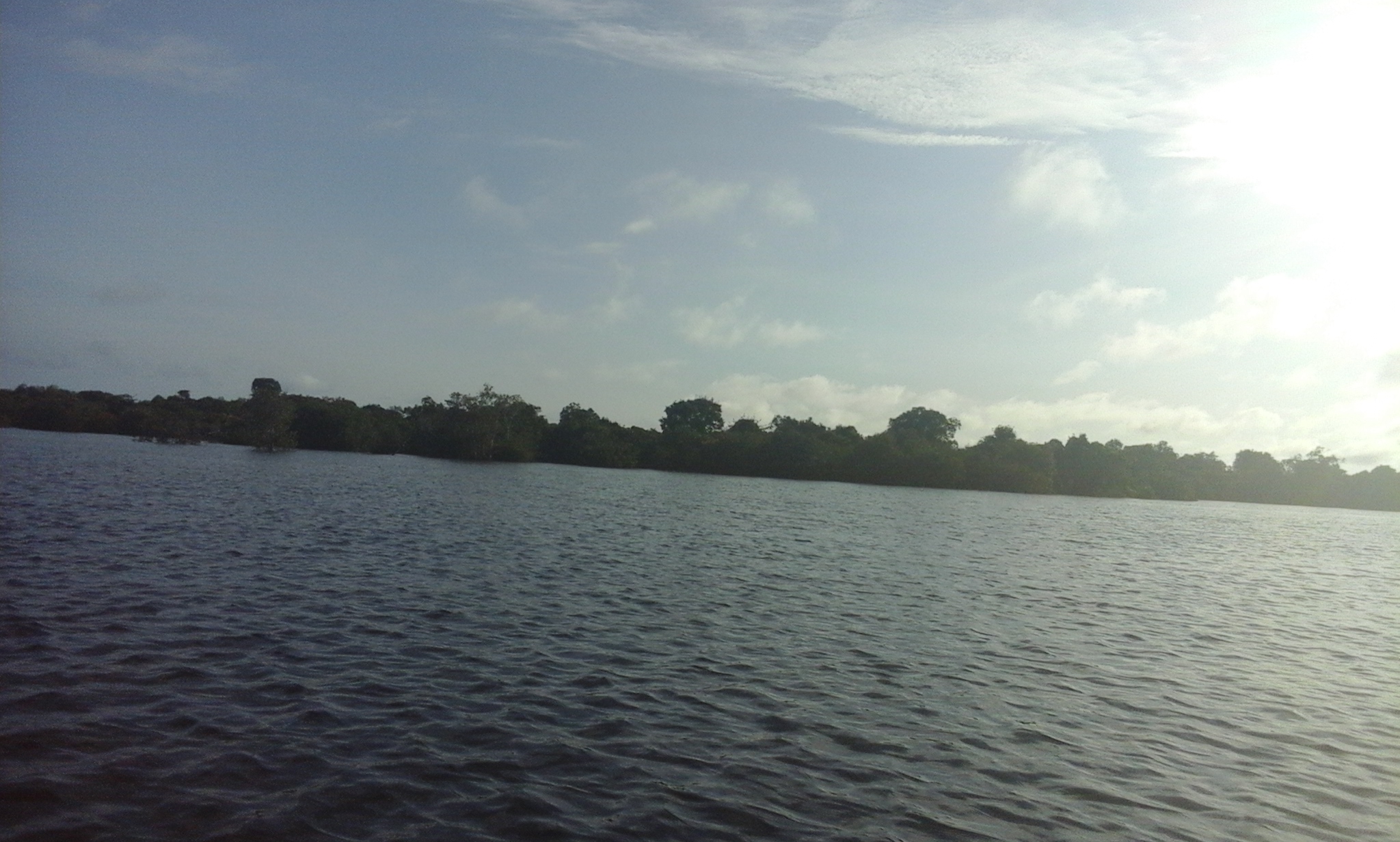
Freshwater & peat swamps
Read lakes, floodplains and waterlogged forest separately.
Explore the habitat ↗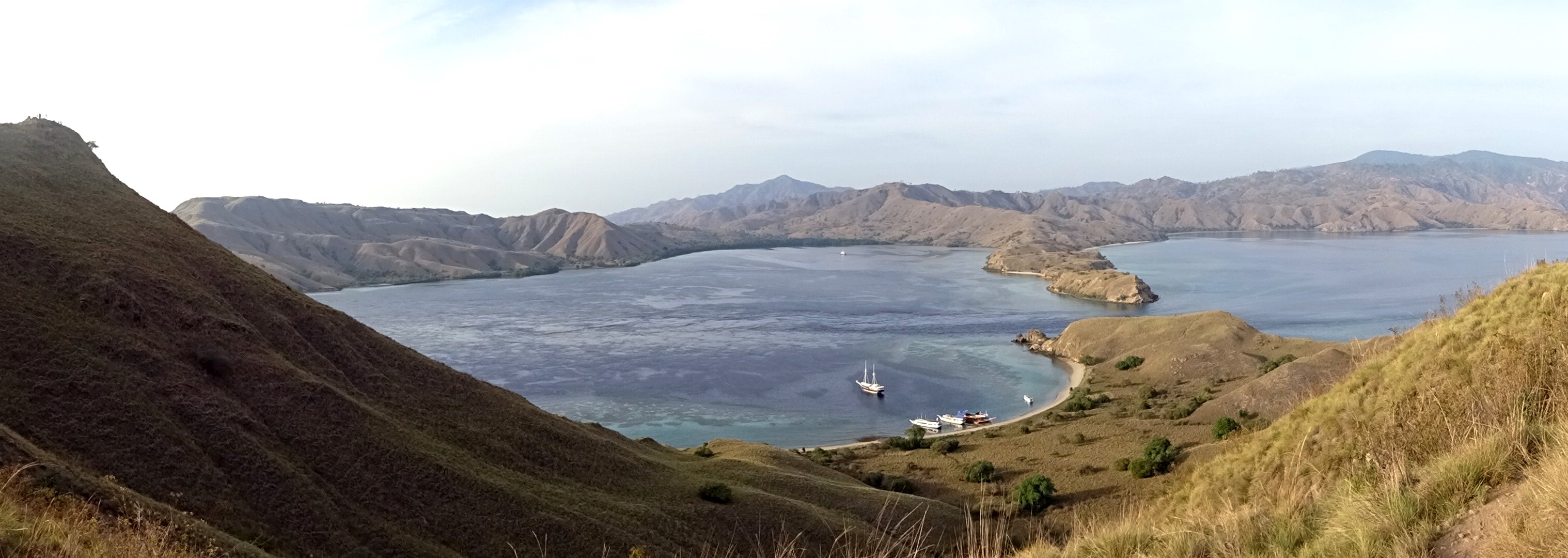
Seasonal forest & savanna
Open hills, wooded patches and seasonal contrasts.
Explore the habitat ↗Coasts, seagrass & reefs
Explore the marine side of the archipelago.
Explore the habitat ↗